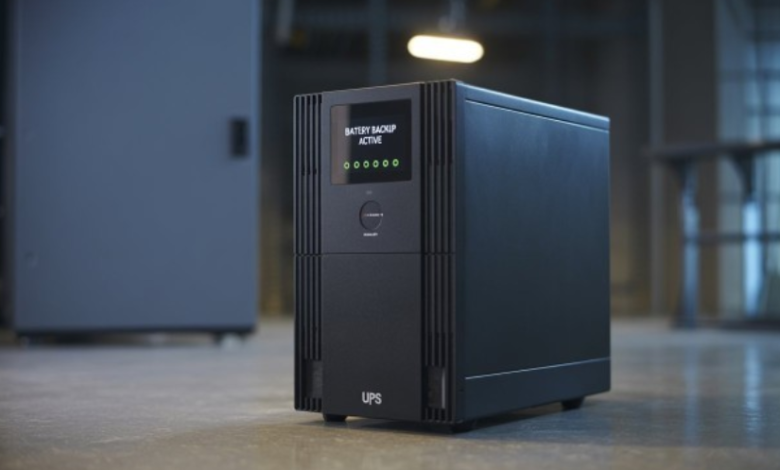
In today’s fast-paced world, electricity is the backbone of homes, businesses, and industries. Any disruption in power supply can lead to significant losses, operational delays, and even damage to sensitive equipment. This is where an uninterrupted power supply (UPS) becomes essential. A UPS system ensures a continuous power flow, protecting devices from unexpected outages and fluctuations.
What is an Uninterrupted Power Supply?
An uninterupted power supply is an electrical device designed to provide backup power when the main power source fails. It serves as a buffer between your equipment and the electrical grid, ensuring that devices continue to function smoothly during power interruptions. Unlike generators, which may take time to start, a UPS provides immediate power without delay, making it vital for critical applications.
Key Functions of a UPS
- Power Backup: The primary function of a UPS is to supply power during outages, allowing users to save data, complete tasks, or maintain critical operations.
- Voltage Regulation: Fluctuations in voltage can damage sensitive electronics. UPS systems regulate voltage, protecting connected devices from surges, spikes, and drops.
- Power Conditioning: Beyond backup, UPS systems can filter noise from electrical signals, ensuring clean and stable power for sensitive equipment.
See also: wellhealthorganic home remedies tag
Types of Uninterrupted Power Supply
UPS systems come in various types, each designed for specific needs:
- Standby UPS: Also called offline UPS, it is suitable for home computers and small office setups. It switches to battery power only when the main power fails.
- Line-Interactive UPS: This UPS provides better voltage regulation, ideal for areas with frequent voltage fluctuations. It adjusts voltage without switching to battery, ensuring smoother operation.
- Online UPS: Also known as double-conversion UPS, it offers the highest level of protection. It continuously converts power from AC to DC and back to AC, providing completely clean and uninterrupted power for critical servers, data centers, and industrial equipment.
Benefits of Using a UPS
Investing in a UPS offers several advantages:
- Protection of Equipment: Sensitive electronics such as computers, servers, and medical equipment are safeguarded from sudden power loss.
- Prevention of Data Loss: UPS systems allow sufficient time to save work and shut down devices properly during outages.
- Operational Continuity: Businesses can continue essential operations without disruption, avoiding financial and operational losses.
- Voltage Stability: UPS systems reduce the risk of damage caused by voltage fluctuations, ensuring optimal performance of connected devices.
Choosing the Right UPS
Selecting the appropriate UPS depends on several factors:
- Power Requirements: Calculate the total wattage of the devices you want to protect.
- Backup Time: Determine how long you need the UPS to supply power during an outage.
- Environment: Consider whether the UPS will be used at home, in an office, or for industrial purposes.
- Type of UPS: Choose between standby, line-interactive, or online UPS based on your sensitivity to power fluctuations and criticality of operations.
Maintenance Tips for UPS Systems
A UPS is a reliable system, but proper maintenance ensures its longevity:
- Battery Checks: Regularly inspect and replace batteries as needed.
- Clean Environment: Keep the UPS in a dust-free and ventilated area.
- Periodic Testing: Test the UPS under load to ensure it operates effectively during power failure.
- Firmware Updates: Some UPS systems come with software that needs periodic updates for optimal performance.
FAQs About Uninterrupted Power Supply
1. How long does a UPS last?
A UPS typically lasts between 3 to 5 years, depending on usage, maintenance, and battery health.
2. Can I use a UPS for my home appliances?
Yes, smaller UPS systems can power home appliances like computers, routers, and televisions. However, large appliances require high-capacity UPS units.
3. Does a UPS save money on electricity?
While a UPS does not reduce electricity consumption, it prevents losses caused by equipment damage and data loss due to power interruptions.
4. How is UPS different from a generator?
A UPS provides instantaneous power backup, while a generator takes time to start. Generators are ideal for long-term outages, whereas UPS systems protect against immediate interruptions.
5. Can a UPS be used continuously?
Yes, but it is designed mainly for temporary power backup. Continuous usage can reduce battery life and requires monitoring and proper maintenance.
Conclusion
An uninterrupted power supply is no longer a luxury but a necessity in homes, offices, and industries. It ensures operational continuity, protects sensitive devices, and safeguards valuable data from power disturbances. Choosing the right UPS and maintaining it properly can save time, money, and prevent potential disasters caused by power outages. Investing in a reliable UPS system is investing in uninterrupted productivity and peace of mind.